
Most people have both a checking account and a savings account, but many use them interchangeably — or keep all their money in one while ignoring the other. Each account type is designed for a specific purpose, and using them as intended makes managing money simpler.
What a Checking Account Is For
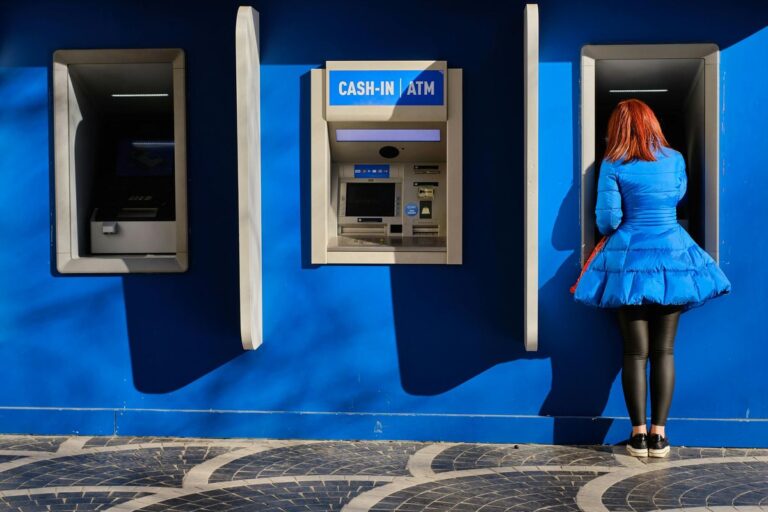
A checking account is a transactional account built for daily use. You deposit money, then draw from it constantly: debit card purchases, ATM withdrawals, bill payments, direct deposit, and check writing all run through a checking account.
Key characteristics:
- No limits on how many transactions you can make per month
- Linked debit card for point-of-sale purchases
- Low or no interest earned on the balance
- Often has monthly maintenance fees (waivable with minimum balance or direct deposit)
- Overdraft protection options available at many banks
Because the account is meant for spending, the tradeoff is minimal interest. Checking accounts at traditional banks earn close to nothing — sometimes 0.01% APY or less.
What a Savings Account Is For
A savings account holds money you don’t need immediate access to. It earns more interest than a checking account, and the intent is to build up a balance over time — an emergency fund, a down payment fund, or any other goal-oriented reserve.
Key characteristics:
- Higher interest rates than checking accounts
- Historically limited to six withdrawals per month (federal regulation lifted in 2020 but many banks still apply limits)
- Not linked to a debit card for everyday spending
- FDIC-insured up to $250,000 per depositor, per institution
Interest Rate Differences
The rate gap between account types varies dramatically depending on where you bank. Traditional brick-and-mortar banks often pay very little on either account. Online banks and high-yield savings accounts pay significantly more on savings — sometimes 4% to 5% APY when rates are elevated — while checking accounts at those same institutions still earn little or nothing.
The practical takeaway: keep only what you need for short-term spending in checking, and move the rest to a savings account that pays more.
Fees to Watch
Checking Account Fees
- Monthly maintenance fee: $5–$15 at many banks; waived with qualifying direct deposit or minimum balance
- Overdraft fee: $25–$35 per transaction at some banks; others have eliminated this fee
- Out-of-network ATM fee: $2–$5 per use, sometimes charged by both your bank and the ATM owner
Savings Account Fees
- Monthly fee: Less common but exists at some institutions
- Excess transaction fee: If your bank still enforces the six-withdrawal limit, going over may trigger a $5–$15 per-transaction fee
- Minimum balance fee: Some accounts charge if your balance drops below a threshold
How to Use Both Together
The standard approach:
- Direct deposit goes into your checking account
- Set up an automatic transfer of a fixed amount to savings each payday
- Pay all bills and make all purchases from checking
- Leave savings untouched except for its intended purpose
This setup separates spending money from reserves, which prevents accidentally spending money you intended to save. It also makes it easier to track your budget because your checking balance reflects what’s actually available to spend.
When One Account Isn’t Enough
Some people find it useful to have multiple savings accounts, each labeled for a specific goal: one for emergencies, one for a vacation, one for a future car. Many online banks let you open several savings accounts under one login, each with its own nickname and balance.
For checking, most people need only one. If you run a side business, a separate checking account makes tracking expenses easier and cleaner for tax purposes.
Online Banks vs. Traditional Banks
Online banks tend to offer:
- Higher savings rates due to lower overhead costs
- Fewer or no monthly fees
- ATM fee reimbursements through partner networks
- No physical branch locations
Traditional banks offer in-person service, which matters for some transactions — depositing cash, notary services, or dealing with complex account issues. Many people split the difference by keeping a local checking account for cash needs and a high-yield savings account at an online bank for growth.
The right setup depends on how often you handle cash and whether you prefer a branch nearby. Either way, the core principle stays the same: let checking handle flow, and let savings hold reserves.
